If you live in Center City, hot water problems aren’t just annoying—they can disrupt your entire routine fast. Between tight mechanical closets, condo utility rooms, and older rowhome basements, a failing water heater can quickly become a leak risk, an energy bill issue, or even a no-hot-water emergency. So if you’re searching water heater repair Center City or plumber Center City, the key is acting early—before a small symptom turns into a major replacement or water damage scenario.
Common warning signs Center City homeowners shouldn’t ignore
A water heater usually gives you signals before it fails. For example:
- Inconsistent temperature: water goes hot → lukewarm → cold, especially during showers
- Slow recovery: it takes much longer to get hot water back after one use
- Rusty or discolored water: can indicate internal tank corrosion or sediment
- Rumbling / popping noises: sediment buildup can harden and overheat the unit
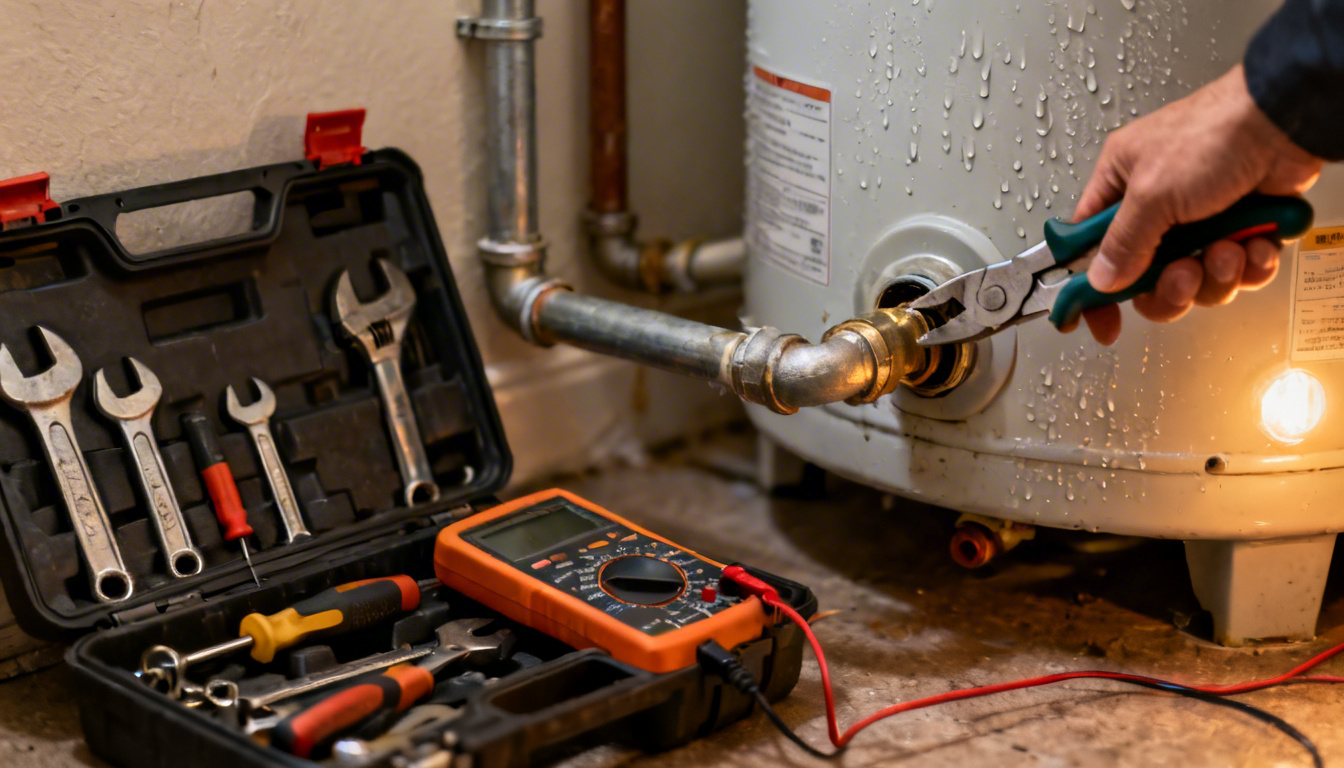
- Moisture around the base: could be a valve issue—or an early tank failure sign
- Pressure relief valve discharge: indicates pressure or temperature problems that shouldn’t be ignored
Even if the heater still “works,” these signs often mean efficiency is dropping. As a result, you might be paying more every month while getting worse performance.
Repair vs. replace: how we decide
In Center City, the right choice depends on age, condition, and safety—not guesswork.
Repair is often best when:
- The unit is relatively newer and has a single failed component (thermostat, heating element, igniter, sensor)
- There’s no major corrosion or tank deterioration
- The leak source is a fitting/valve/connection, not the tank itself
Replacement is usually smarter when:
- The unit is at or near typical end-of-life
- The tank shows signs of corrosion or active tank leakage
- The unit can’t meet household demand anymore
- Repairs are frequent and stacking up (because then you’re paying twice—repairs now, replacement later)
Also, if you’re in a condo or a finished basement, the risk equation changes: even a small leak can cause expensive damage. Therefore, proactive replacement can be the safer long-term choice.
What a “real diagnosis” looks like (not a quick guess)
A professional evaluation should include:
- Visual inspection of the tank body, fittings, venting (if gas), and electrical connections
- Temperature and recovery check (does it actually match what the thermostat says?)
- Leak source identification (valve vs. tank vs. supply line)
- Safety checks: pressure relief valve, venting, combustion air (gas units), and shutoff access
- Capacity match: ensuring your tank size fits household usage
Because Center City homes vary so much—from compact condos to older multi-story rowhomes—cookie-cutter advice doesn’t work. Instead, we match the solution to the property.
Tank vs. tankless: what works best in Center City
Tankless can be great when the home supports it. However, it’s not always the best fit if venting, gas supply, or electrical requirements are complicated. If you’re considering an upgrade, we’ll talk through:
- Space and access constraints
- Gas/electrical capacity
- Expected usage patterns (multiple showers, laundry, dishwasher)
- Budget vs. long-term savings
- Installation complexity in your specific building type
Practical steps you can take today
If you suspect your water heater is failing:
- Don’t ignore small puddles or recurring moisture
- Avoid turning the temperature too high to “force” hotter water
- If there’s active leaking, shut off water to the unit (if safe to do so)
- Schedule an inspection before weekends/holidays when emergency calls tend to spike
If your hot water is inconsistent or you’re seeing moisture around the unit, book a diagnostic visit with Center City Plumbing Experts. We’ll give you a clear repair vs. replace plan that protects your home and your budget.