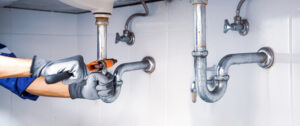

Historic rowhomes in Fitler Square and Logan Square offer unmatched architectural charm, but their aging plumbing systems often present unique challenges. Decades-old cast iron and galvanized steel pipes are highly susceptible to interior corrosion, narrowing the pipe’s diameter and making severe clogs a frequent frustration for homeowners. Addressing these blockages properly is essential to maintaining the health of your entire plumbing system.
The Problem with Old Plumbing Materials
Properties built over eighty years ago were not designed to handle the volume of water and waste generated by modern appliances.
Cast Iron Pipe Scaling
Cast iron pipes, common in Center City’s historic districts, naturally rust over time. This rust forms rough, scaly deposits along the interior walls of the pipe. Toilet paper, grease, and hair easily snag on these rough surfaces, quickly building up into dense, stubborn blockages that chemical drain cleaners cannot dissolve.
Tree Root Intrusion
The mature, tree-lined streets of Fitler Square are beautiful, but tree roots aggressively seek out moisture. Microscopic cracks in aging underground sewer lines provide the perfect entry point. Once inside, roots expand, trapping debris and eventually causing a complete sewer line backup into the lowest level of your home.
Safe Methods for Clearing Historic Drains
Protecting fragile, aging pipes requires professional tools and techniques. Aggressive chemicals can actually accelerate the corrosion of old metal pipes and should be avoided.
Professional Cabling (Snaking)
For localized clogs in sinks or tubs, a professional-grade plumbing snake is used to break through the physical barrier of hair or soap scum. Unlike flimsy hardware-store tools, professional augers have the torque necessary to clear the line without damaging the delicate joints of older plumbing systems.
Video Camera Inspections
When a main sewer line repeatedly backs up, guessing the cause is a waste of time and money. High-resolution camera inspections allow technicians to see exactly what is happening inside the pipe. According to the Environmental Protection Agency (EPA), maintaining healthy residential sewer lines prevents hazardous sewage overflows into local waterways and basements. A camera inspection immediately identifies root intrusions, collapsed sections, or severe scaling.
Restoring Proper Flow to Your Home
Ignoring a slow drain almost always leads to a complete blockage. By addressing clogs early with appropriate, pipe-safe methods, you protect your historic property from sudden water damage and unsanitary backups. If you are struggling with recurring blockages, rely on professional drain cleaning in Center City to restore your system safely. Contact Center City Plumbing Experts today to schedule an inspection and clearing.
FAQs:
- Why shouldn’t I use liquid drain cleaners on my old pipes? Liquid drain cleaners rely on harsh, caustic chemicals that generate intense heat. In older cast iron or galvanized pipes, this heat can weaken the pipe walls, leading to cracks and leaks.
- How do I know if the clog is in the main sewer line? If multiple fixtures in your home are backing up simultaneously, or if flushing a toilet causes water to rise in your shower drain, the blockage is likely in the main sewer line.
- How often should historic home drains be professionally cleaned? For older homes with mature trees nearby, having the main line inspected and cleared every 18 to 24 months is a smart preventative measure.