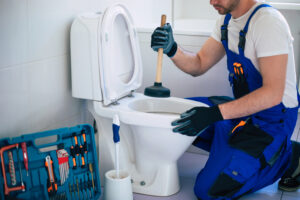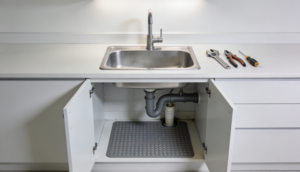

Experiencing a single slow-draining sink is a common household maintenance event, easily isolated to a local trap obstruction. However, when property owners, apartment tenants, or landlords across Market East, Avenue of the Arts, and Rittenhouse Square observe several plumbing fixtures draining sluggishly at the same time, the problem is no longer localized. When a bathroom sink, shower, and toilet all display slow drainage simultaneously, or when running a washing machine causes water to back up into a basement utility tub, the fixtures are communicating a shared mechanical restriction. Understanding how urban drainage architecture connects multi-room fixtures is essential for resolving deep pipe obstructions before they result in unsanitary backups.
Distinguishing Isolated Fixture Clogs from Network Restrictions
The first step in evaluating a drainage slowdown is mapping the affected fixtures across the property. If a bathroom sink drains slowly while the adjacent bathtub and toilet operate with normal velocity, the restriction is strictly confined to that sink’s individual P-trap or short horizontal branch line.
Conversely, if running water in the bathroom sink causes gurgling sounds to echo from the toilet bowl, or if draining a bathtub causes wastewater to rise inside the shower basin, the obstruction is located downstream in a shared branch drain line or the primary vertical waste stack. When multiple fixtures cannot discharge water efficiently, the wastewater is hitting a structural wall of debris inside the shared piping network and being forced backward toward the lowest open fixture in the building.
What Materials Obstruct Urban Residential Drains?
Multi-fixture blockages rarely result from a single dropped object; they develop from cumulative, layered material buildup along the interior walls of residential plumbing pipes. Common urban drain obstructors include:
- Solidified Fats, Oils, and Grease (FOG): When warm cooking fats are washed down kitchen sinks, they remain liquid until reaching cooler underground or vertical plumbing stacks. The grease congeals along interior pipe walls, creating an adhesive coating that traps food scraps, coffee grounds, and soap residue until the pipe cross-section is severely narrowed.
- Hair and Soap Scum Mats: In bathrooms, shed hair combines with sticky bath soap scum and skin oils to form dense, fibrous mats inside drain traps, horizontal branch runs, and mechanical shower pop-up assemblies.
- Mineral Scaling in Legacy Pipes: Older Center City properties frequently feature original cast-iron or galvanized steel drain lines. Over decades, internal oxidation and hard-water mineral scaling create jagged, scaly interior pipe walls that snag floating debris easily.
- Foreign Objects and Non-Flushable Products: In rental apartments and managed condominiums, flushing wipes, paper towels, or hygiene products quickly overwhelms vertical waste stacks and building trap bends.
Understanding Shared Drainage in Urban Properties
In Center City multi-story townhomes, converted historic brownstones, and apartment buildings, drainage systems are arranged vertically. Multiple residential units or multi-floor bathrooms frequently share common vertical soil stacks and horizontal building drains. If a partial restriction develops in a shared vertical stack between the second and first floors, fixtures on the upper floors will experience sluggish drainage, while ground-floor units may experience unexpected wastewater backups during peak morning usage hours. In managed condominiums, diagnosing these shared line blockages often requires coordinated access across multiple units to identify where the internal pipe diameter has narrowed.
Why Chemical Drain Cleaners Fail on Deep Blockages
When confronted with multiple slow drains, residents often pour chemical drain cleaners into every sink. Commercial liquid drain cleaners rely on caustic lye or sulfuric acid to generate chemical heat. While these products may burn a small temporary hole through a soft local hair clog, they are completely ineffective against multi-foot grease sludge or solid scale located deep inside a shared building drain.
Crucially, property owners must never combine different chemical drain cleaners or mix chemicals with household bleach or vinegar. Doing so triggers hazardous chemical reactions, releases toxic chlorine gas into enclosed apartments, and creates pressurized eruptions of caustic liquid. Furthermore, chemical acids sitting stagnant behind a blockage can corrode aging metallic pipes and damage rubber gaskets. Following CDC household plumbing and sanitation guidance, maintaining clean, freely flowing residential drainage through mechanical clearing is vital for preventing wastewater exposure and protecting building infrastructure.
Professional Drain Cleaning and Preventive Guidance
When multiple fixtures show signs of backing up, the safest immediate action is to cease water usage across the property to prevent wastewater from overflowing onto finished flooring. To permanently restore drainage velocity, the pipe interior must be mechanically scoured.
Professional plumbers utilize heavy-duty motorized augers (cables) equipped with cutting heads to break through dense hair mats and scale. For severe grease sludge and mineral encrustation inside urban branch lines, hydro-jetting applies controlled, high-pressure water streams to wash the pipe walls completely clean, restoring the drainage line to its original interior diameter.
When recurring blockages disrupt your property, engaging professional drain-cleaning services in Center City allows technicians to deploy high-resolution fiber-optic inspection cameras directly inside your pipes to visually verify pipe condition and confirm complete blockage removal. Contact our Center City residential plumber team today to resolve complex connected drainage slowdowns.
What does it mean when several drains in my apartment drain slowly at the same time? When multiple fixtures drain slowly simultaneously, it indicates that the blockage is not located in a single sink trap, but has formed downstream inside a shared horizontal branch drain line or the main vertical building waste stack.
Why does my toilet bubble or gurgle when the washing machine or bathtub drains? Gurgling sounds indicate that air is being forced or pulled through the water traps in your plumbing system. This is a primary warning sign that the shared drain line or roof vent stack is restricted, creating negative air pressure in the pipes.
Are chemical drain-cleaning liquids safe to use in older Center City buildings? Chemical drain cleaners are not recommended for older properties. Caustic acids can corrode aging cast-iron and galvanized steel pipes, generate heat that damages plastic joints, and fail to clear heavy, deep grease obstructions inside shared lines.
How do plumbers clear blockages that affect multiple connected fixtures? Plumbers use professional motorized drain augers (snakes) to mechanically cut through dense obstructions, or employ hydro-jetting equipment that blasts high-pressure water streams to scour away decades of grease sludge and mineral scaling from interior pipe walls.
Can a clogged kitchen sink in an upstairs condo cause a backup in the unit below? Yes. In vertical condominium and apartment plumbing architectures, if a blockage forms inside the shared vertical waste stack below the upstairs kitchen connection, wastewater from the upper unit can back up and overflow into the lower unit’s sink.