Center City plumbing problems move fast. One small drip under a sink can become cabinet swelling, warped flooring, and ceiling stains below—especially in older condos, historic rowhomes, and tight mechanical chases. If you’re searching plumber Center City Philadelphia or emergency plumber near me, the best strategy is prevention + fast, correct diagnostics when something starts.
Why Center City plumbing fails differently
Center City properties often have:
- Older supply lines and mixed materials (copper, galvanized, PEX conversions)
- Limited access behind finished walls and cabinetry
- Shared stacks in multi-unit buildings where one clog can impact multiple fixtures
- High water pressure variance that stresses fittings, valves, and connectors
That’s why “quick fixes” often lead to repeat calls. The better approach is identifying the failure point and fixing it cleanly, with testing.
The 4 most common Center City calls (and what they usually mean)
1) Under-sink leaks (kitchen or vanity)
Most leaks come from:
- Worn shutoff valves
- Loose compression fittings
- Old braided supply lines
- Drain connections that were overtightened or misaligned
Best practice: Replace worn valves and supply lines, then pressure-test and verify no slow seepage.
2) Toilet issues in finished bathrooms
Common symptoms:
- Running toilet
- Weak flush
- Water at the base
- Toilet rocking
Root causes often include:
- Fill valve + flapper wear
- Loose tank bolts
- Wax ring failure or flange damage
- Partial trap blockage
3) Slow drains + gurgling
If you hear gurgling or smell sewer gas, you may have:
- Partial blockage starting in the branch line
- Venting/airflow issues (especially in older structures)
- A developing main stack restriction in multi-unit buildings
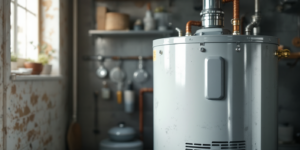
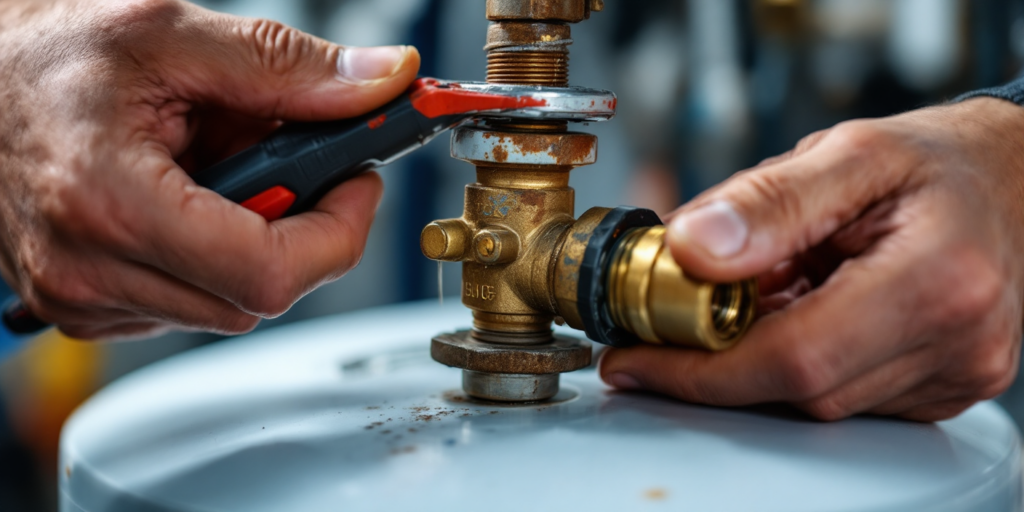
4) Water heater “small leak”
Even minor water heater seepage can indicate:
- Failing valve connections
- Expansion tank issues
- Corrosion at fittings
- Early tank failure
The “shutoff valve” upgrade that prevents major water damage
If your shutoffs are old or stiff, they’re a liability. A good plumbing plan includes:
- Replacing old angle stops
- Confirming valves fully close and don’t drip afterward
- Labeling the main shutoff (especially in condos)
- Checking pressure regulator health when needed
What a professional service call should include
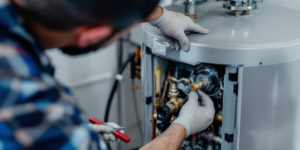
A real Center City plumbing repair should never be “tighten and leave.” It should include:
- Confirming the source (not just drying the area)
- Repairing the correct connection/part
- Flow testing + post-repair leak check
- Simple next steps to reduce future failure
Neighborhood coverage
We support clients across Rittenhouse Square, Old City, Society Hill, Washington Square West, and Bella Vista.
Internal links
- Home: https://centercityplumbingrepairs.com/
- About: https://centercityplumbingrepairs.com/about-us/
- Blog: https://centercityplumbingrepairs.com/blog/
FAQ (great for FAQ schema)
How fast can a leak cause damage in a condo?
Sometimes within hours. Cabinets, drywall, and ceilings below can absorb water quickly.
Should I replace shutoff valves proactively?
Yes—especially if they’re stiff, corroded, or drip after turning.