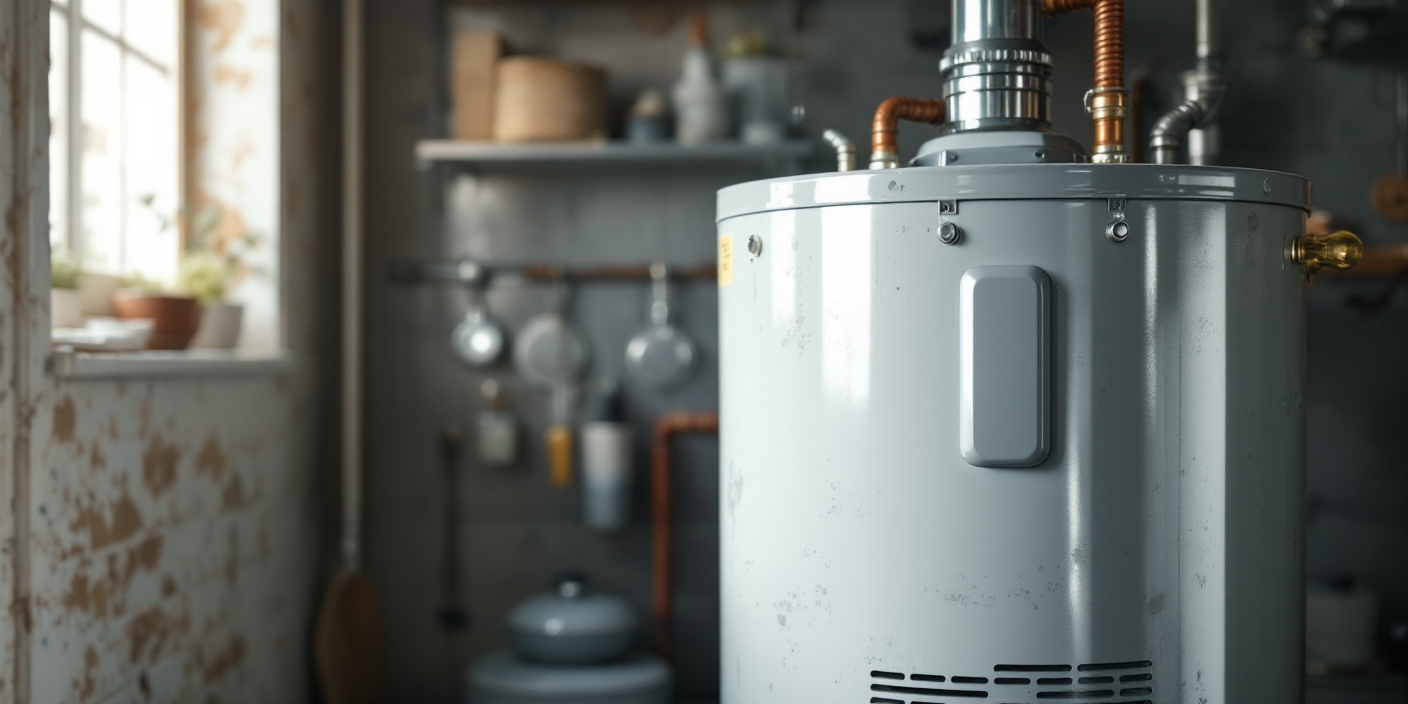
A reliable hot water supply is essential for comfort and cleanliness in urban living. When a residential water heater underperforms in Rittenhouse Square, Logan Square, or Fitler Square, the sudden loss of heated water creates immediate disruption for homeowners, apartment tenants, and property managers. Urban properties frequently exhibit symptoms such as morning hot water running out after five minutes, erratic temperature shifts during showers, slow recovery between laundry cycles, or unsettling sounds echoing from utility closets. Understanding the mechanical, electrical, and environmental variables that impact water-heater performance allows property owners to determine whether an internal component has failed or the appliance requires modernization.
Evaluating Key Symptoms of Water-Heater Deterioration
Water heaters operate continuously under thermal and hydraulic stress, which degrades internal components over time. Primary warning signs of system decline include:
- Depleted Hot-Water Volume: When a storage tank runs out of hot water faster than usual, its heating capacity has dropped. In electric storage models, this typically points to a burned-out lower heating element, leaving only the upper element to warm the top third of the tank.
- Erratic Temperature Fluctuations: Experiencing sudden shifts between scalding hot and lukewarm water during a shower indicates a failing thermostat, a degraded immersion sensor, or a malfunctioning mixing valve that is failing to blend hot and cold water consistently.
- Extended Recovery Intervals: A functional water heater should recover its full temperature within forty-five to sixty minutes after heavy demand. Slow recovery indicates heavy mineral sediment insulating the heat source or compromised ignition controls.
- Rumbling, Popping, and Banging Noises: Audible popping sounds echoing from a storage tank are a classic indicator of hard-water mineral accumulation. Dissolved calcium and magnesium precipitate out of standing water, forming a thick, hardened crust over the bottom gas burner or lower electric element. Water trapped beneath this sediment layer boils into steam, exploding upward through the crust with banging noises that damage the steel tank.
- Discolored or Odorous Water: Hot water that appears rusty, brownish, or carries a metallic sulfur odor indicates active internal corrosion. This occurs when the sacrificial anode rod is fully exhausted, allowing water to oxidize the bare steel cylinder directly.
Understanding Differences in Equipment Configurations
Water-heater performance problems manifest differently depending on the specific appliance architecture installed in the property:
- Electric Storage Tanks: Common in high-rise condominiums and modern apartments without gas infrastructure, electric units rely on dual heating elements and thermostats. Failure in either electrical loop causes immediate capacity drops or lukewarm output.
- Natural Gas Storage Tanks: Gas units utilize pilot assemblies, thermocouples, gas control valves, and flue drafting. Symptoms like complete hot water loss often trace back to a extinguished pilot light caused by a faulty thermocouple sensor shutting off the gas supply as a safety precaution.
- High-Efficiency Tankless Systems: Tankless wall-hung units heat water on demand using high-output burners or electrical coils. When tankless units deliver cold water sandwiches or shut down unexpectedly, the issue frequently involves flow sensor failures, scaled heat exchangers, or restricted intake screens.
Coordinating Service in Center City Condos and Multifamily Buildings
Addressing plumbing systems in Center City high-rises, converted brownstones, and managed apartment complexes requires careful logistical planning. Unlike freestanding suburban homes, urban water heaters are frequently installed in tight mechanical closets, laundry alcoves, or dropped ceiling plenums where physical access is strictly limited.
For landlords and property managers, scheduling appliance repairs or replacements involves coordinating with building management, adhering to association work-hour rules, securing freight elevators, and managing building-wide or riser-specific water shutoff valves. Furthermore, compact mechanical spaces often require specialized low-profile or short-heavy storage tanks to fit within existing framing dimensions while maintaining mandatory clearance around electrical panels and ventilation clearances.
Component Repair Versus Complete System Replacement
Many performance faults can be corrected through targeted component replacement. Swapping out burned-out electrical heating elements, thermostats, thermocouples, or pressure-relief valves can safely restore heating efficiency if the steel storage cylinder remains sound. However, when performance decline is accompanied by visible moisture, external rust, or pooling water around the base of the tank, repair is no longer an option. Steel cylinders eventually rust through from the inside out; a leaking storage tank cannot be patched or welded and presents an immediate risk of structural flooding, requiring full appliance replacement.
When replacing equipment, adhering to U.S. Department of Energy water-heating guidelines helps property owners evaluate capacity requirements, energy-efficiency ratings, and fuel types based on household demand and local utility costs.
Critical Safety Warnings for Urban Residents
Water heaters combine high-voltage electricity or volatile natural gas with pressurized, scalding water. Homeowners, tenants, and maintenance staff should never attempt to disassemble gas control valves, manipulate internal wiring panels, or cap leaking temperature and pressure (T&P) relief valves. If you detect the distinct rotten-egg odor of natural gas near your water heater, extinguish all open flames, evacuate the unit immediately, and contact your local gas utility provider from a safe location.
When facing hot water shortages or appliance leaks, relying on professional water-heater repair in Center City ensures that utility connections, venting drafting, and electrical loads are evaluated safely. A qualified technician will diagnose the root failure and restore reliable hot water to your home. To coordinate comprehensive building support, consult our Center City residential plumbing services today.
Why does my hot water run out after only five minutes in the morning? In an electric water heater, rapid depletion typically indicates that the lower heating element has failed, leaving only the top element to warm a small fraction of the tank. In a gas unit, it is commonly caused by heavy mineral sediment at the bottom of the tank insulating the water from the gas burner.
What causes popping or rumbling sounds inside my water heater? Popping and rumbling sounds occur when dissolved hard-water minerals settle to the bottom of the tank and form a hardened sediment layer over the heat source. Water trapped beneath this crust boils into steam and forcefully explodes upward through the sediment with an audible banging noise.
Is moisture pooling around the base of a water heater always a fatal tank leak? Not always. While a corroded storage tank is a frequent cause, water around the base can also originate from a loose threaded supply pipe fitting on top of the tank, a dripping temperature and pressure (T&P) relief valve discharge line, or a leaking brass drain valve at the bottom of the cylinder.
How long does a typical residential storage water heater last in Center City? A standard residential gas or electric storage-tank water heater generally has a functional lifespan of eight to twelve years, depending on local water hardness, usage volume, and whether the appliance receives routine sediment flushing and sacrificial anode rod replacements.
Why do apartment and condo water-heater replacements require extra planning? Urban condo and apartment installations require coordinating freight elevators, reserving loading docks, adhering to building association work-hour restrictions, and scheduling building riser water shutoffs with property management to ensure safe, compliant installation within compact mechanical spaces.